
Cars · Frequent drivers
Eco
Cars
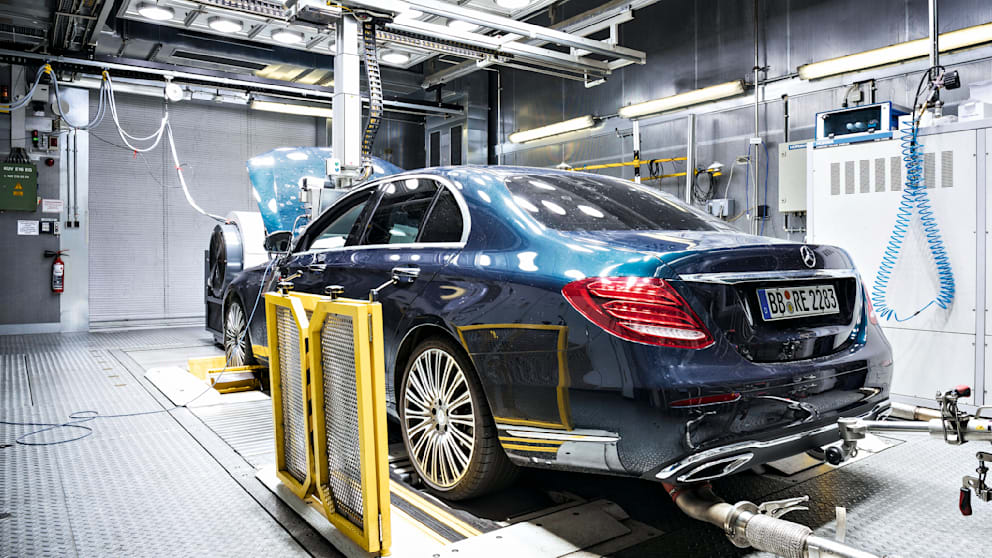
For frequent drivers who want to reduce operating costs while lowering their CO₂ footprint.
For frequent drivers who want to reduce operating costs while lowering their CO₂ footprint.
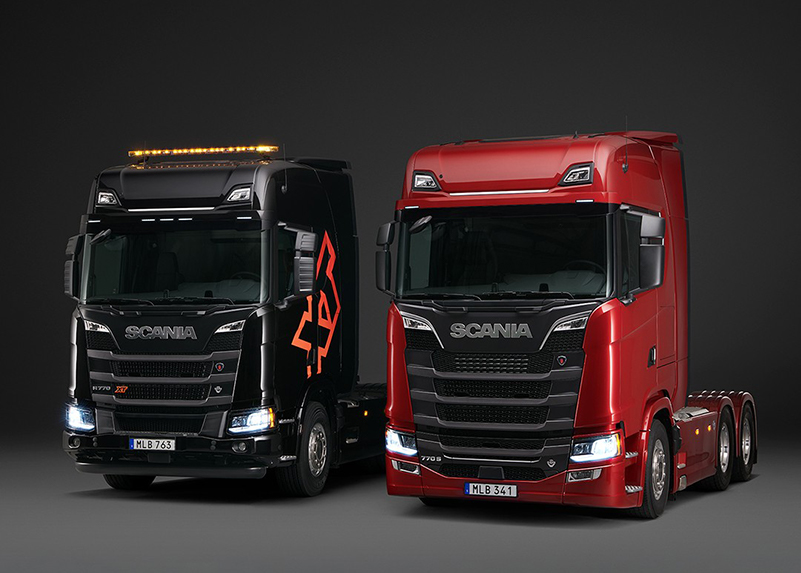
More profitability in fleet operations: lower consumption, lower emissions, reduced maintenance costs.
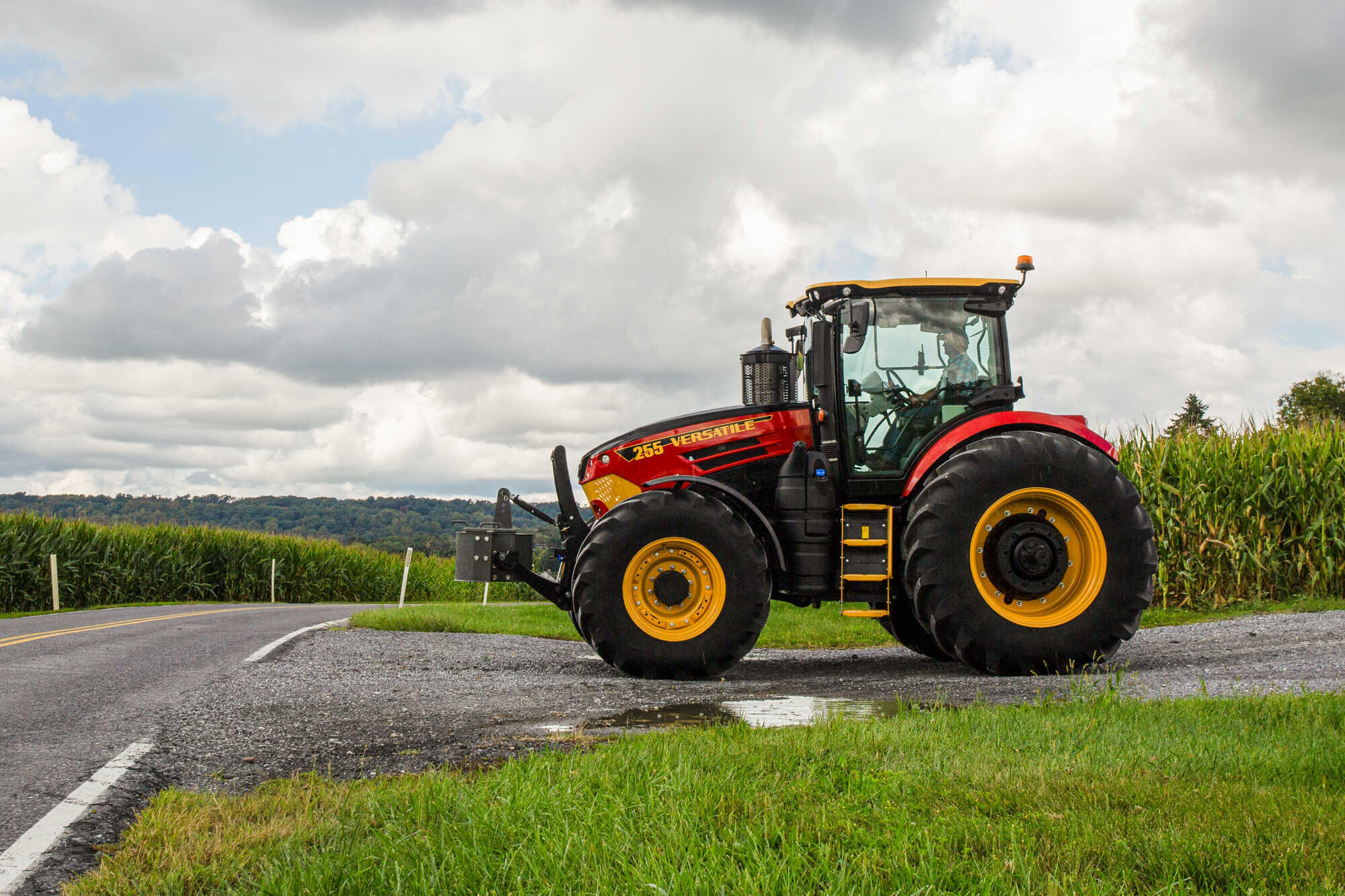
Reduces diesel consumption in tractors & harvesting machines, protects the engine and sustainably improves efficiency.
Lowers consumption and saves operating costs long-term – ideal under heavy load and long operating hours.
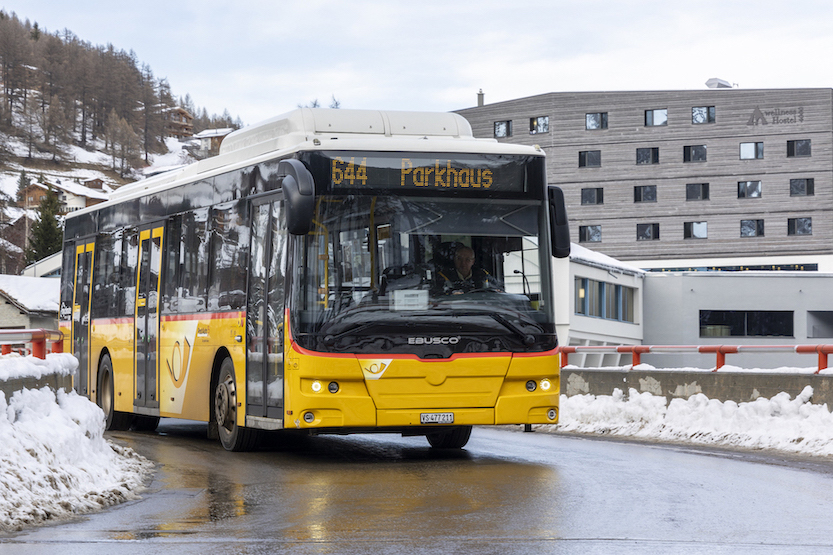
Helps cities reduce operating costs and CO₂ emissions – especially with predictable, recurring driving profiles.
Optimizes fuel consumption and improves profitability – in commercial and private use.
Briefly tell us your vehicle type, mileage/operating hours and usage profile – we will get back to you with the next steps.
Integration into the fuel line – designed for efficient implementation across vehicle classes.
Especially with high mileage/operating hours, percentage values directly affect budget and ROI.
Positioned around CO₂, soot and deposits – for clean and traceable environmental argumentation.
Standardized installation variants & data collection enable scalable rollouts.
Structured reports, certificates and installation instructions – for internal approvals, fleet management and audit-ready decision-making foundations.
Clear installation processes, defined variants and repeatable rollouts – so implementation works in daily operations, not just on paper.
Field test logic: comparison against a reference over a period of time. Reported winter reduction: ~10.9% per operating hour.
In the published lab test, savings of up to 15% are stated for constant-speed runs.
From passenger ships to heavy-duty fleets to everyday cars – real results from real-world use.
The published article describes a standardized WLTC and constant-speed test. The potential is particularly evident at steady speeds – up to 15% savings during constant-speed driving.
Annual savings
FET system means one thing to us: clear results, traceable context and clean implementation. That is why we combine lab tests, field reports and customer feedback into one consistent story – for serious market communication.
Fuel Eco Tech is an innovative system that improves the efficiency of fuel combustion in diesel and gasoline engines. It optimizes the air-fuel mixture to reduce fuel consumption and emissions.
The system improves the distribution and turbulence of the air-fuel mixture in the combustion chamber. This allows oxygen to be used more effectively, resulting in more complete and cleaner combustion. The result is higher efficiency and less unburned fuel.
Due to more effective combustion, the energy in the fuel is used more efficiently, which leads to a moderate increase in performance without placing additional strain on the engine.
The system reduces the build-up of deposits and residues in the engine caused by incomplete combustion. Fewer deposits mean less wear and a longer service life for engine components.
Yes, the system can be used in a wide range of vehicles powered by diesel or gasoline, such as cars, trucks and construction machinery.
By using oxygen more efficiently in the air-fuel mixture, the fuel burns more completely. This results in fewer pollutants such as CO2, nitrogen oxides (NOx) and soot particles in the exhaust gases.
Yes, tests have shown that fuel consumption can be significantly reduced by using Fuel Eco Tech, resulting in savings and an improved environmental balance.
We provide a 4-year warranty on the Fuel Eco Tech System.